
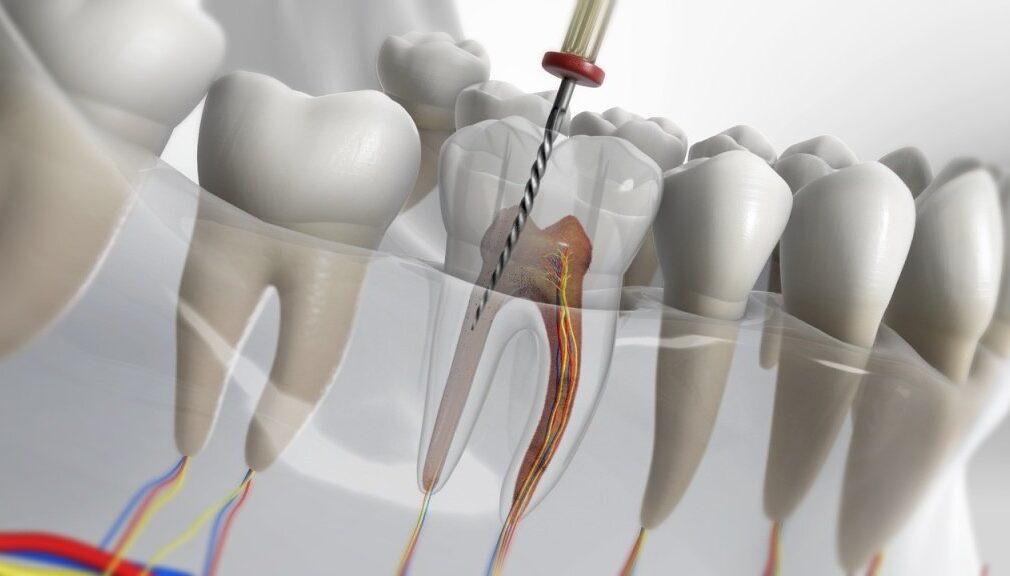
What is a Root Canal Treatment?
Root canal treatment (RCT) is a procedure used to save a severely infected or damaged tooth. It involves removing the infected pulp, which contains nerves and blood vessels, cleaning and disinfecting the inner chambers of the tooth, and then sealing it with a filling material. This process prevents the spread of infection and alleviates pain while preserving the natural tooth.
The treatment is typically necessary when deep decay, cracks, or trauma cause the tooth’s pulp to become inflamed or infected. A crown is often placed afterward to protect the tooth and restore its function.
Why is Root Canal Treatment Needed?
Root canal treatment is necessary when the tooth pulp becomes infected or inflamed due to:
- Deep Decay (Cavities): Bacteria can invade the pulp if cavities are left untreated.
- Cracks or Chips in the Tooth: Bacteria can enter the tooth through cracks or fractures, leading to infection.
- Repeated Dental Procedures: Multiple dental treatments on the same tooth can irritate or damage the pulp.
- Trauma: A blow to the tooth can cause pulp damage, even without visible cracks.
- Abscess: An untreated infection can lead to an abscess, a pocket of pus that forms at the root of the tooth.
Procedure for Root Canal Treatment
- Diagnosis and Examination: The dentist examines the tooth using X-rays to determine the extent of the infection and the condition of the tooth’s root.
- Accessing the Pulp: The dentist creates a small opening in the crown of the tooth to access the pulp chamber using specialized instruments, the infected or damaged pulp tissue is carefully removed.
- Cleaning and Shaping the Root Canals: The root canals are thoroughly cleaned, disinfected, and shaped to remove bacteria and prevent further infection.
- Filling the Canals: Once the canals are cleaned, they are filled with a biocompatible material, usually gutta-percha (a rubber-like material).
- Sealing the Tooth: A temporary filling is placed to close the opening until the permanent restoration is ready (if completed over multiple visits).